WE’RE NOT IN THE BUSINESS OF TUTORING
We’re in the work of building
independent learners.
If you’ve spent years weighing one kind of help against another, here’s the
quiet truth: those were all versions of the same old thing. This isn’t a
better version of it. It’s a different kind of thing entirely — and it may be
the one you’ve actually been looking for.
THE DIFFERENCE
↓

THE OLD WAY OF THINKING
Help arrives, week after week — and
somehow your child needs it more, not less.
It’s a model so common it looks like the only option. The work is about tonight’s
homework and this term’s grades. A child is told what to write and how to answer, is walked carefully to the right result, but never taught to reach it alone.
So the help can’t end. The moment it’s gone, the progress goes with it.
→
↓
↓
→
↓
↺ every week
→
It isn’t help, really. It’s a quiet subscription to dependence.
THE SHIFT
We’re not trying to get your child through
tonight. We’re building the person who
won’t need us.
These aren’t techniques. They’re a different idea of what a child’s learning is even for.
Chasing short-term grades
↓
→
Learning that drives itself
Being corrected
↓
→
Being understood
Worksheets and drills
↓
→
Creating real things
Leaning on help
↓
→
Trusting themselves
WHY THERE’S ONLY ONE OF US
Most programs teach one subject. We grow a
whole human — by teaching three things as
one.
Literacy, communication, and leadership aren’t three subjects we happen to offer — they’re one
connected system, because that’s how they work in a real life. A tutor can sharpen a single skill
in isolation. But independence never comes from better writing alone; it comes from the integration — a skill learned with purpose, used out loud, and turned into how a child leads, reinforced by trained parents at home. That’s why this can’t be measured against tutoring. It isn’t better tutoring; it’s a different kind of thing.
+
+
=
WHAT INTEGRATION LOOKS LIKE
↓
IN WRITING
She learns to build a clear argument on the page.
→
OUT LOUD
She defends it in a live discussion, and takes real questions.
→
IN THE REAL WORLD
She uses it to lead a project — and to speak up at the dinner table.
↓
One skill, compounding week over week — reinforced at home by parents we’ve trained. That’s the whole idea; the full method lives on How We Teach and Programs.
Independence grows the way lasting change always has — from mindset and real-world use, not academics alone.
THE PROOF
Our children leave with real things to show for it.

Published authors
Children write and publish real
books.

Podcast hosts
They record and host their own shows.

Live-stage speakers
They present at real showcase events.
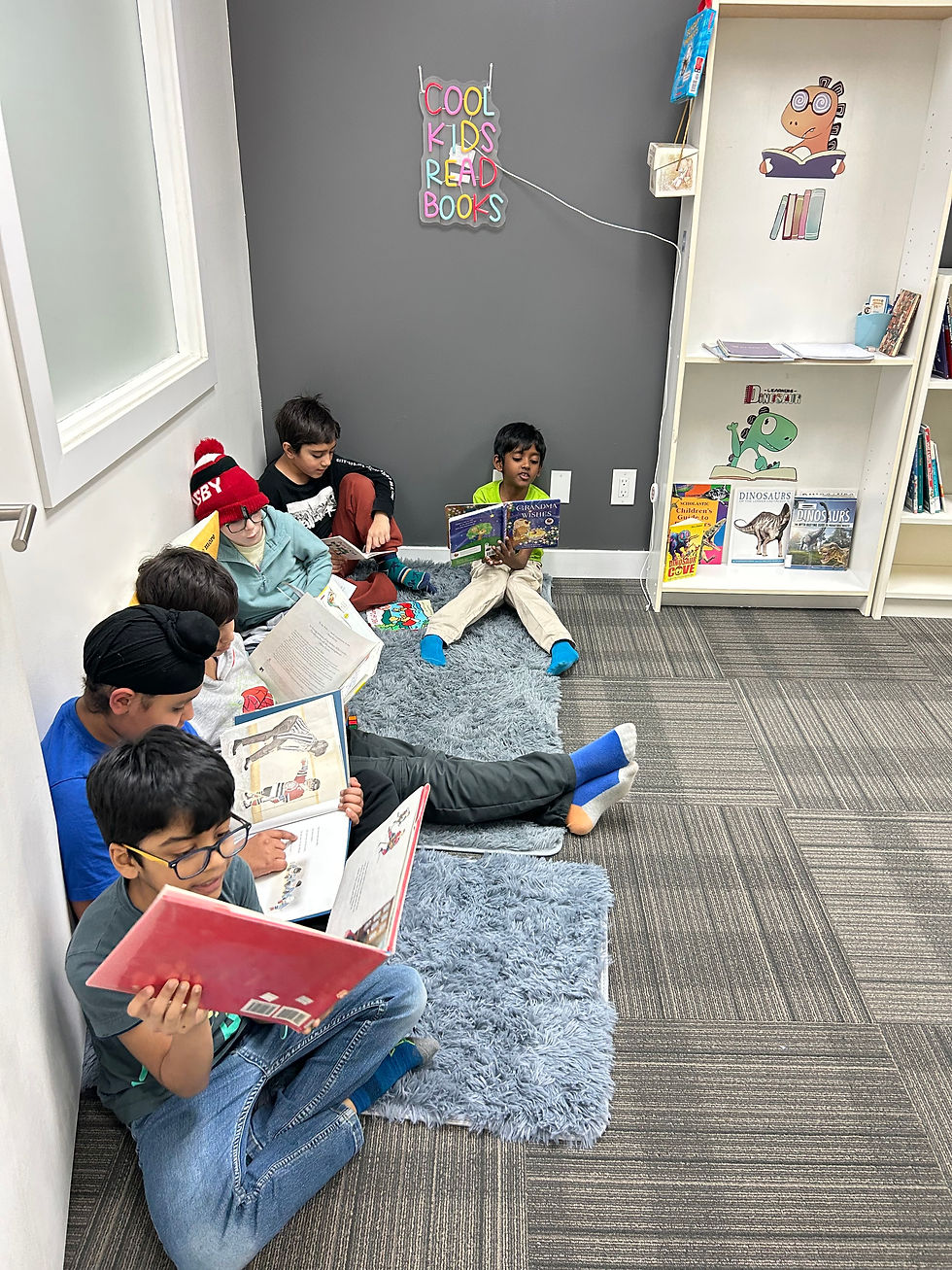
Reading challenges
They take on real reading goals, together.
PLATFORMS WE USE
WHO IT’S FOR
For the child rebuilding their confidence —
and the child ready to go from very good to
extraordinary.
IF YOUR CHILD IS STRUGGLING
We rebuild the foundation gently — confidence first, then capability — until a quiet “I can’t” turns into “watch me.”
IF YOUR CHILD IS THRIVING
We give that child room to stretch, lead, and create well past grade level. This is elevation, not catch-up.
Two very different children. The same path to becoming independent.
WHAT IT LOOKS LIKE
You’ll know it when you
see it.

A shy child raising her hand to speak on a stage.
A reluctant writer who suddenly can’t stop.
A struggling reader asking for the next book.
A child who is proud of something they made themselves.
See our families’ transformations →

QUESTIONS, ANSWERED PLAINLY
What makes The Learners Pathway different from tutoring?
Tutoring exists to get a child through the next test. We exist to make a child independent enough that they stop needing that kind of help at all. It’s not a nicer version of the same service — it’s a different goal, and a different kind of thing.
How does it help children become independent learners?
Instead of handing a child answers, we hand them the ability to find answers on their own — building real foundations in reading, writing, and thinking, and the confidence to use them without a grown-up beside them. Over time the prompting falls away, because the child no longer needs it. That’s the whole point: we measure success by how little they end up needing us.
Is it a fit for homeschool families?
Yes — wholeheartedly. Homeschool families are some of the families we serve best, because independent learning is exactly what they’re already building toward at home. We slot in alongside whatever you’re doing, and parents stay fully in the loop the whole way.
Do you focus on grades, or long-term skills?
Long-term skills, every time. Grades tend to follow on their own once a child can actually read deeply, think clearly, and express themselves — but chasing the grade alone never builds those things. We aim at the capability, and let the grades take care of themselves.
What is an independent learner?
A child who can start without being told, work through something hard without immediately reaching for help, and trust their own thinking. They’re curious, they take ownership of their work, and they can express what they know — in writing and out loud. It’s the difference between a child who can do tonight’s assignment and a child who’s ready for anything that comes next.